بيت / أخبار / أخبار الصناعة / How to Use Men's Compression Socks for Swollen Ankles: Fit, Timing, and Everyday Wear
How to Use Men's Compression Socks for Swollen Ankles: Fit, Timing, and Everyday Wear
A sock line that is still pressed into your ankle at six in the evening is not a laundry problem. It usually means fluid has pooled in your lower leg during the day, and the fix is not a looser sock. It is a sock that puts the right amount of pressure in the right place at the right time.
Here is the short answer for men dealing with swollen ankles. Choose a measured calf-length or knee-high compression sock in the 15 to 20 mmHg range for everyday puffiness, put it on before you stand up in the morning, and wear it for 8 to 12 hours. Low-cut ankle socks and tight everyday socks rarely solve the problem, because graduated pressure has to be spread along the leg rather than squeezed into a single band above the ankle bone.
Why Compression Helps a Swollen Ankle
Compression socks work on a principle called graduated pressure. The strongest pressure sits at the ankle and gets weaker as the fabric climbs toward the knee. That gradient supports the veins and the calf muscle pump, the natural mechanism that pushes fluid back toward the heart. Without that support, fluid collects around the ankle bone through the day, and the swelling is usually at its worst in the late afternoon.
Length matters for the same reason. A low-cut sock creates one narrow zone of pressure, while a calf-length sock spreads the gradient across the ankle and the lower leg. For a man whose swelling reaches above the ankle bone, calf length is the practical minimum, and knee-high is often the better choice on days with long sitting, long standing, or air travel.
This is also why an ordinary dress sock feels wrong even when it fits. Everyday socks are knitted to stay up, not to create a pressure gradient, so they squeeze hardest at the top band. That is the opposite of what a swollen ankle needs.
Match the Compression Class to Your Swelling
Compression is sold in classes defined by the pressure measured at the ankle in millimetres of mercury. Buying the strongest class on the shelf is a common mistake. More pressure is not the same as more relief, and a class that is too high can leave your toes cold, numb, or tingling by lunchtime.
Compression classes are set by the pressure measured at the ankle in millimetres of mercury, and the pressure is designed to fall as the sock rises up the leg.
Class
Pressure at the ankle
Typical use
Fitting note
Mild support
8 to 15 mmHg
Tired, mildly puffy ankles after long standing or a flight
The easiest class to put on, often sold as a travel sock
Moderate support
15 to 20 mmHg
Everyday ankle swelling, long shifts, post-flight puffiness, mild injury recovery
The usual starting point for men, and it needs a measured calf
Firm support
20 to 30 mmHg
Noticeable swelling and clinician-directed treatment
Needs an accurate measurement and a fit check, not guesswork
Extra firm support
30 to 40 mmHg
Significant swelling and lymphedema, prescribed rather than self-selected
Fitted and supervised by a clinician
For mild to moderate swelling caused by standing, sitting, or travel, the 15 to 20 mmHg class is the usual starting point. If a clinician has already told you to manage more significant swelling, or you are recovering from an ankle injury, follow that instruction rather than the label on the package.
The chart compares how pressure falls along the leg for two common classes of men's compression socks, using the ankle as the reference point. In both classes the ankle receives the full pressure and the numbers drop as the sock climbs toward the knee. In the 15 to 20 mmHg class the ankle sits near 18 mmHg, and the pressure below the knee falls to roughly 7 mmHg. In the 20 to 30 mmHg class the ankle starts near 25 mmHg and still drops to about 10 mmHg below the knee. The pattern matters more than the headline number, because a sock that holds the same pressure all the way up the calf is not graduated compression at all. Notice also that the two classes differ by only a few millimetres of mercury in the upper calf, which is why fit at the ankle decides comfort far more than the class label does.
Measure the Ankle and the Calf Before You Buy
Size charts for compression socks are built on two numbers, ankle circumference and calf circumference. Shoe size is not one of them, and a sock chosen by shoe size alone is one of the most common reasons men abandon compression after a week.
Measure within 30 minutes of waking, before you stand or walk for long.
Wrap a soft tape around the narrowest part of the ankle, just above the ankle bone.
Measure the widest part of the calf, usually about a hand's width below the knee.
Measure from the floor to just below the bend of the knee for the length.
Compare all three numbers with the size chart and follow the calf measurement when the ankle and calf land in different sizes.
Repeat the measurements if your weight changes, or if a clinician changes your treatment.
When the ankle and the calf fall into two different sizes, the calf usually decides, and a band that is too tight at the top is the one place where compression can do real harm. It is also worth remembering that a size chart describes a new sock. Fabric relaxes with washing, so two pairs in rotation will hold their gradient far longer than one pair worn every day. If you are buying for everyday wear rather than a specific prescription, the full range of men's socks is a sensible place to compare lengths and materials before you commit to a class.
Ankle circumference is not a fixed number, and the chart shows a typical pattern for a man who stands and sits through a working day. The measurement is smallest shortly after waking, at about 24.8 cm in this example, and it grows steadily to roughly 27.1 cm by early evening. That is a change of more than 2 cm, which is easily enough to move one man from one sock size into the next on a size chart. It also explains why a pair that feels perfect at 7:00 AM can feel tight and itchy by dinner time. Measuring in the morning gives you the truer and lower number, which is the number the manufacturer expects you to use. If you measure after a long day on your feet, you will very likely order a sock that is too large at the ankle and will not hold its gradient. The gap between the morning and evening figures also gets wider in hot weather, which is worth remembering if you buy a single pair for the whole year.
Put Them On Before Your Feet Touch the Floor
The single habit that decides whether compression works for you is timing. Ankles are smallest in the first 30 minutes after waking, so the sock slides on easily and holds the leg at its baseline instead of pushing fluid upward. Wait until after breakfast and a shower, and you are fitting a sock around swelling that has already started.
A method that works with firm fabric
Turn the sock inside out down to the heel, keeping the foot section intact.
Slide your foot in and check that the heel pocket sits under your heel, not on your instep.
Work the fabric up the leg in short sections with both thumbs instead of pulling the top band.
Stand up, then smooth out any fold or roll before you put your shoe on.
Check your toes for colour and warmth five minutes later, and again at lunchtime.
Wrinkles are the enemy here. A single fold behind the ankle concentrates pressure and can create a sore spot within a few hours, so take an extra 20 seconds to smooth the fabric flat. If you have limited grip or a stiff back, a plastic donning aid or a light dusting of cornstarch on the heel makes the job much faster.
A sock that reaches the calf gives the gradient somewhere to travel. A longer style such as this one is designed for full length coverage over the ankle and lower calf:
Eight to twelve hours is the normal daily window for men's compression socks. That covers a work shift or a long flight but stops short of overnight, because ankles usually drain well enough when you are lying down. Take the socks off before bed unless a clinician has told you otherwise, and put your feet up for 20 minutes in the evening.
On travel days the timing rules tighten. Put the socks on before you leave the house, stand and walk every hour you are awake, and drink water rather than relying on salty airport food. Compression manages pooling, but it does not replace movement.
Wash the socks after every wear in lukewarm water, by hand or on a gentle cycle, and skip both the fabric softener and the dryer. Heat and softener break down the elastane that creates the gradient, so the same habits that extend the life of everyday socks apply here, and a two-pair rotation will outlast a single pair by a wide margin. These care and maintenance habits for men's socks are a good baseline for any sock you plan to wear daily.
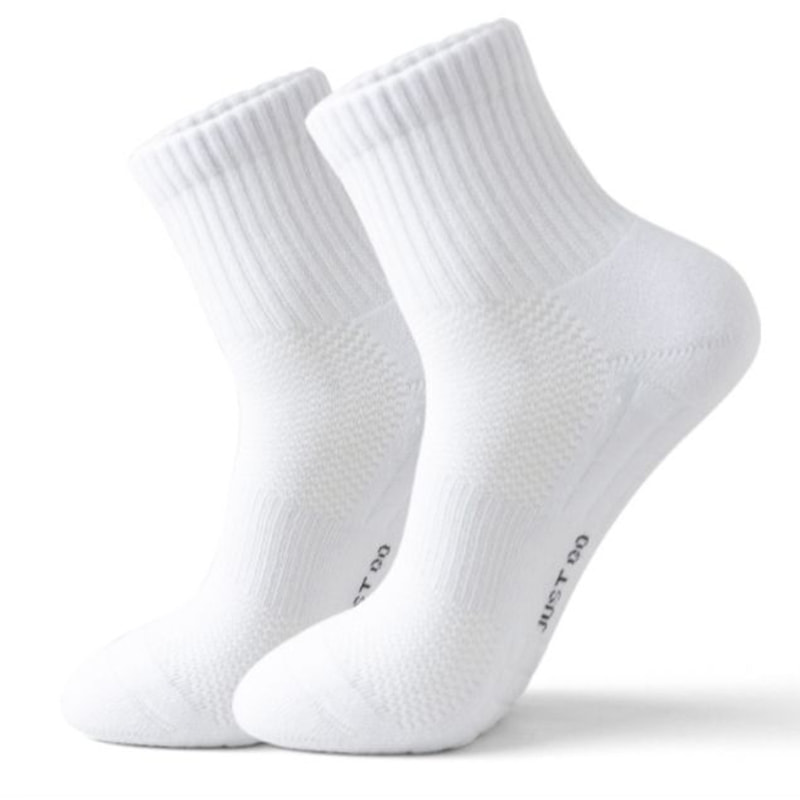
For training days, a sock with a cushioned footbed under a graduated upper is usually more comfortable than a thin medical stocking, especially in shoes that run warm. A towel-bottom sport style like this one handles the sweat and the impact:
Compression is not supposed to feel like nothing. A firm hug around the ankle and a light squeeze at the calf for the first hour is normal, and it usually settles once you start moving. What is not normal is numbness, a burning sensation, or a band that leaves a deep groove which takes more than 30 minutes to fade.
first week of wear, in cm 27.526.525.5Day 1Day 2Day 3Day 4Day 5Day 6Day 7Evening measurement, taken at about 7:00 PM
The line follows evening ankle circumference over the first seven days of consistent morning wear, starting at 27.2 cm and ending near 26.0 cm. The change is not dramatic on any single day, which is exactly why some men quit in the first 48 hours. Most of the drop happens between day one and day four, and the curve flattens after that. That shape is normal, because compression does not remove fluid permanently, it keeps the daily build-up smaller. A flat line in week two still means the sock is doing its job, especially if afternoon tightness and discomfort have eased. If the line climbs instead, check for folds in the fabric, a sock that has lost its stretch, or a medical cause that belongs with a clinician.
Comparing Sock Styles for Swollen Ankles
Three options come up again and again in this conversation, and they are not interchangeable. The chart below scores each one from 1 to 5 on the five things men mention most often, which are pressure control, calf coverage, all day comfort, ease of putting on, and breathability.
The radar chart scores three options against five things men usually care about when their ankles swell. Ankle-length short socks score well on breathability and are easy to put on, but they offer almost no calf coverage and weak pressure control above the ankle. A calf-length compression sock balances the five points, with solid pressure control, decent coverage, and moderate breathability for daily wear. A knee-high medical stocking controls pressure and covers the calf best, but it is the hardest to put on and the warmest in summer. The trade-off is worth naming clearly, because the more of the leg the sock covers, the more control you get and the more effort the sock asks of you each morning. For most working men with mild to moderate swelling, the middle option is the one that actually gets worn every day, and a sock in the drawer beats a stronger sock in the package.
Warning Signs That Mean Stop and Call a Clinician
Swelling in one leg only, especially with pain, warmth, or redness.
Sudden swelling together with chest pain or shortness of breath.
Toes that turn white or blue, or tingling that does not ease within 15 minutes of removing the sock.
Broken skin, blisters, or a rash under the sock.
Swelling that gets worse after several days of correct wear.
Compression socks manage a symptom, not a cause. Heart, kidney, liver, and vein conditions can all produce ankle swelling, and so can several common medications. If any of that applies to you, or if the swelling appears suddenly, get medical advice before you order a class of sock you may not need.
Good compression for swollen ankles comes down to three numbers and one habit. Measure the ankle and the calf in the morning, choose the class that matches your swelling rather than the strongest one on the shelf, and put the socks on before your feet touch the floor. Replace them every three to six months, or as soon as the top band stops snapping back, because relaxed fabric stops delivering the gradient the label promises.
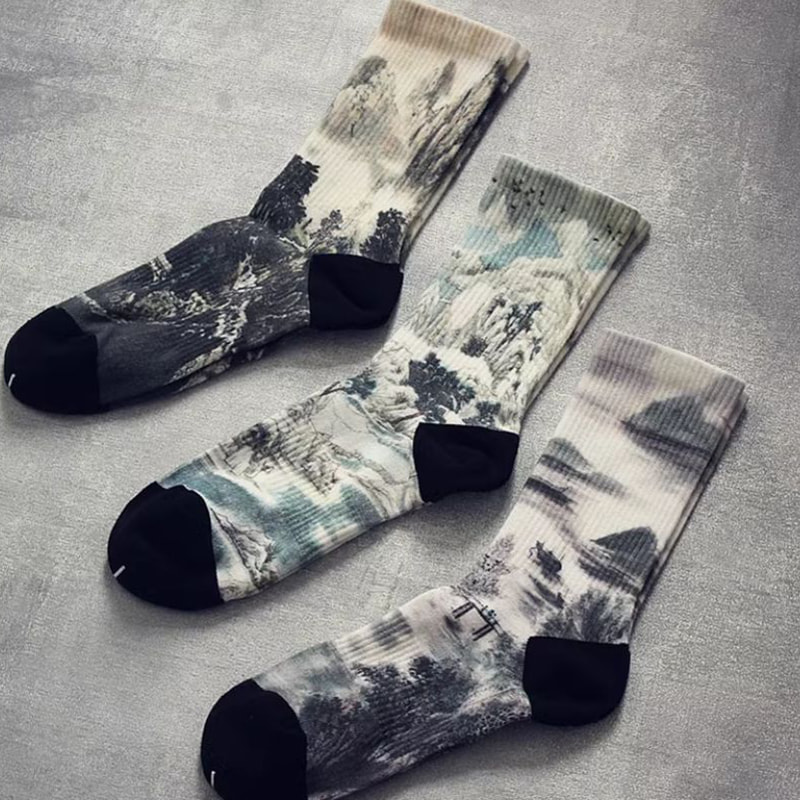
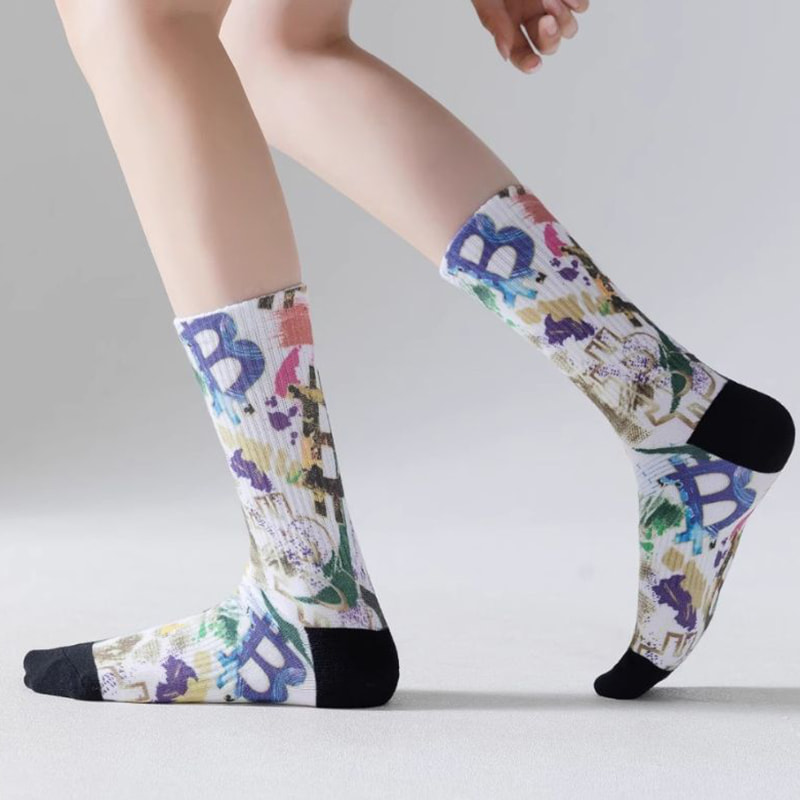
من خلال الجمع بين العناصر الصينية التقليدية والاتجاهات الحديثة وعرض أسلوب صيني قوي من خلال التصميمات الفريدة ، لا يلبي أسلوب التصميم هذا الاحتياجات الشخصية للشباب اليوم فحسب ، بل يضيف أيضًا سحرًا ثقافيًا فريدًا للارتداء اليومي. تُستخدم تقنية الطباعة ثلاثية الأبعاد المتقدمة لجعل الأنماط والقوام على الجوارب ثلاثية الأبعاد وحيوية. لا تحسن هذه التكنولوجيا من دقة ووضوح الأنماط فحسب ، بل تجعل الجوارب أكثر شهرة وعصرية. كجوارب متوسطة الطول ، يكون طولها معتدلًا ، والذي يمكن أن يحمي الكاحلين من الغزو البارد لمواسم الربيع والخريف ، ولن يكون حارًا ورطبًا جدًا. في الوقت نفسه ، تتغير الطقس في مواسم الربيع والخريف ، ويمكن أن يتكيف هذا الجورب بشكل جيد مع هذه التغييرات ، مما يوفر تجربة ارتداء مريحة للقدمين. المطبوعة على الجوارب الأنماط غنية ومتنوعة ، يمكن أن تكون أنماطًا صينية تقليدية مثل الجبال والمياه والزهور والطيور ، التنين والفينيكس ، أو الأنماط الإبداعية التي تجمع بين العناصر العصرية الحديثة.
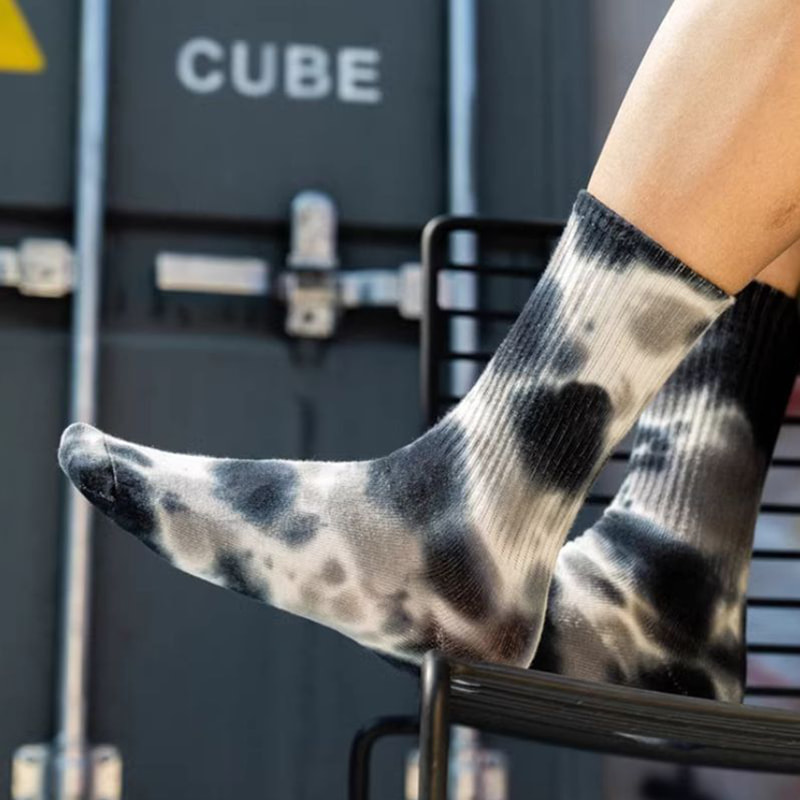
صبغة التعادل الأمريكية هي عملية صباغة فريدة تستخدم تقنيات ربط وصبغية محددة لإنشاء نمط غني وملون وتأثير تدرج اللون على الجوارب ، وزيادة شعور الأزياء وتخصيص المنتج ، تم تصميمه بطول متوسط ، وهو مناسب للارتداء الرياضي مثل كرة السلة ، مما يوفر الغلاف الكافي وحماية الكاحل من الالتواء والإصابات الأخرى. تم تصميم الجزء السفلي بمنشفة سميكة ، والتي لها أداء رطوبة يمكن أن تمتص العرق بسرعة من القدمين ، مع إبقائها جافة ومريحة ، وتقليل الانزلاق والاحتكاك أثناء التمرين. قد يكون للجسم الجورب تصميم حلقة لزيادة سمك ودفء الجوارب ، مع تحسين راحة ونعومة ارتداء. مصنوع من مادة القطن النقي ، والقطن النقي له قابلية للتنفس ودود الجلد ، ويقلل من رائحة القدم ونمو البكتيريا ، والحفاظ على صحة القدم. قد يضم المنتج عناصر نمط INS الشائعة ، مثل مطابقة الألوان وتصميم الأنماط ، لجعله أكثر تمشيا مع الاحتياجات الجمالية للمستهلكين الشباب .
عند اعتماد تقنية الطباعة ثلاثية الأبعاد المتقدمة ، تمثل الأنماط إحساسًا قويًا بالثلاثية والطبقة ، مما يجعل الجوارب أكثر عرضية وفريدة من نوعها. الأنماط مشرقة ودائمة ، وليس من السهل التلاشي ، والحفاظ على مظهر الجوارب على أنها جديدة لفترة طويلة. هناك خيارات أنماط غنية ، بما في ذلك أنماط الشوارع الأوروبية والأمريكية ، والعناصر الرياضية ، وفن الكتابة على الجدران ، وما إلى ذلك ، لتلبية الاحتياجات الشخصية لمستهلكين مختلفين. يتم اختيار مواد القطن عالية الجودة ، مع لمسة ناعمة وراحة صديقة للبشرة. تتمتع مادة القطن بتنفس جيد ، مما يجعل القدمين جافة ، مما يقلل من النمو البكتيري ، ويمتص بسرعة وتصريف رطوبة القدم ، والحفاظ على القدمين جافة ومريحة ، ومناسبة للارتداء في مواسم الربيع والصيف. الجوارب لها مرونة جيدة ، ويمكن أن تتناسب بشكل وثيق لأشكال القدم المختلفة ، وتقليل الاحتكاك والانزعاج أثناء التمرين .
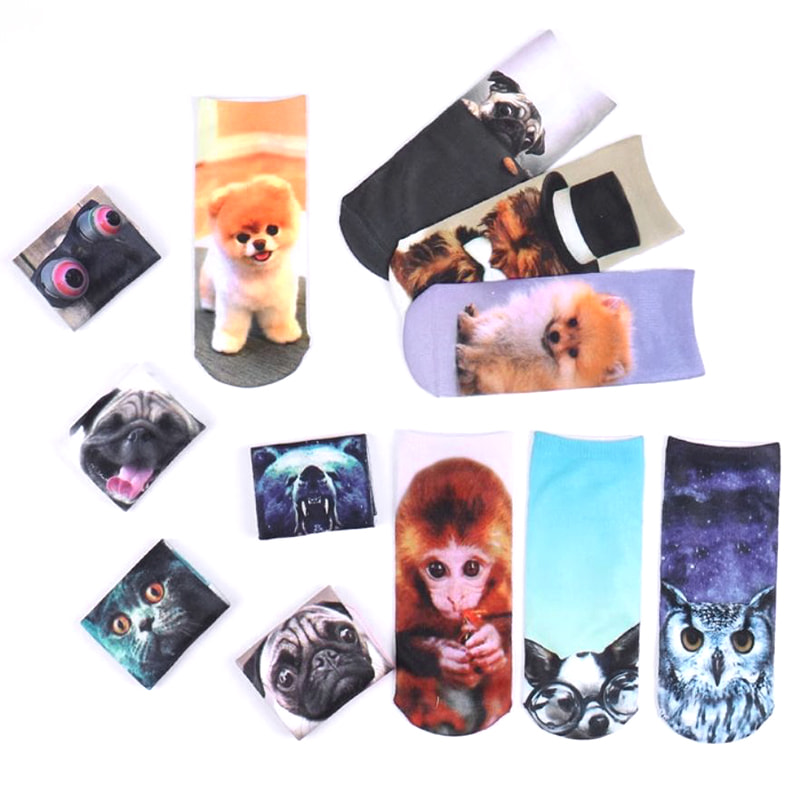
الجوارب ثلاثية الأبعاد ، التي تنتمي إلى فئة الجوارب القصيرة ، تدمج الأساليب التقليدية الأوروبية والأمريكية مع عناصر الطباعة. من خلال تكنولوجيا الطباعة ثلاثية الأبعاد ، يتم تقديم أنماط وتصميمات فريدة من نوعها على الجوارب ، مما يجعلها أكثر عصرية وشخصية. عادةً ما يؤكد النمط التقليدي الأوروبي والأميركي على الحرية والفردية والتعبير الطليعي ، بألوان زاهية ، وأنماط فريدة ، وأنماط طباعة متنوعة ، والتي قد تشمل الرسوم الكاريكاتورية ، والأنيمي ، والرسائل ، والأرقام ، والأشكال الهندسية ، إلخ .
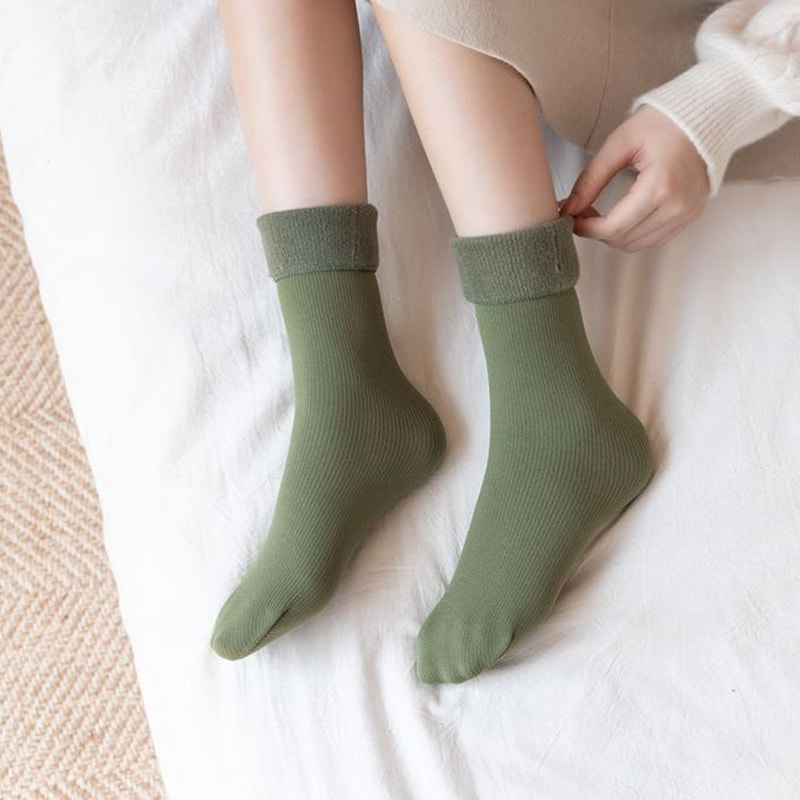
باستخدام مادة الكشمير المقلدة ، فإن هذه المادة لها لمسة ناعمة مثل الكشمير وأداء العزل. ألياف الكشمير المقلدة حساسة ويمكن أن تقفل الهواء بشكل فعال ، مما يشكل طبقة عازلة توفر الدفء طويل الأمد للقدمين. الطبقة الداخلية سميكة مع الكشمير لضمان أنه حتى في الطقس البارد ، يمكن أن توفر الدفء الكافي للقدم. لا يعزز هذا التصميم تأثير العزل فحسب ، بل يزيد أيضًا من راحة ارتداء ، بالنظر إلى أن الأرض قد تكون زلقة خلال مواسم الخريف والشتاء ، فإن المنتج يولي اهتمامًا خاصًا للأداء المضاد للانزلاق. باستخدام مواد خاصة مضادة للانزلاق وتقنيات المعالجة ، فإنه يضمن زيادة الاستقرار والسلامة عند المشي. نسيج المنتج مقاوم للارتداء ودائم ، وليس من السهل حبوب منع الحمل أو التلاشي ، ويمكنه الحفاظ على المظهر والأداء الجيد حتى بعد ارتداء وغسل على المدى الطويل. إنه مصنوع من مواد مرنة للغاية يمكن أن تناسب أشكال القدم والساق المختلفة دون أي ضيق أو تجاعيد عند ارتداؤها .
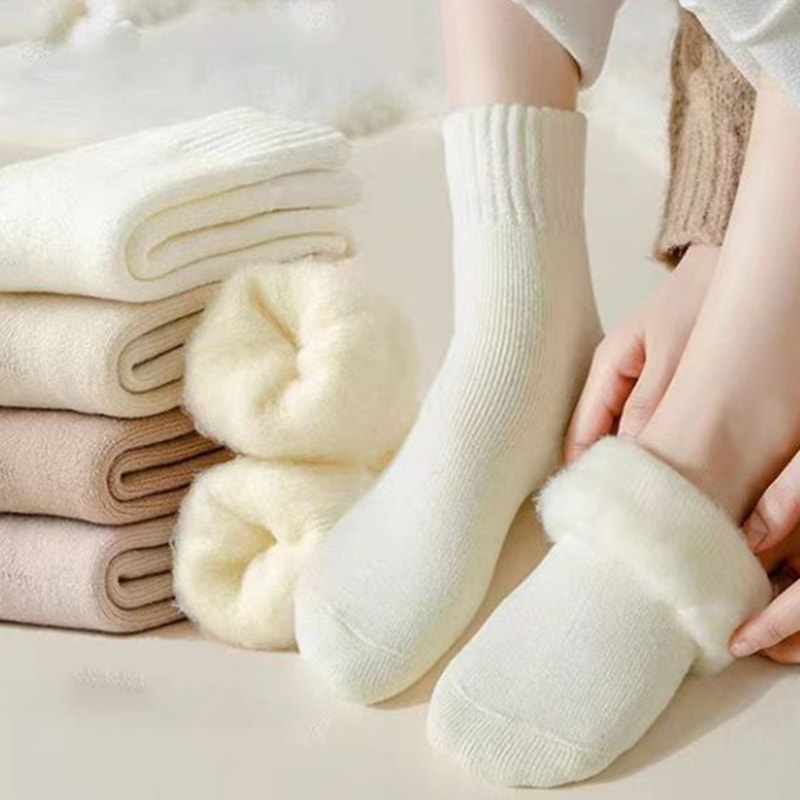
يمكن أن يؤدي استخدام التصميم الفخم والسميك إلى عزل الهواء البارد بشكل فعال ويوفر الدفء الدائم للقدمين. لا تزيد الطبقة الفخمة السميكة من الدفء فحسب ، بل تعزز أيضًا ارتداء الراحة. يتكون سطح الجوارب من مادة الحلقة المصقولة بالفرشاة ، والتي تتمتع بالدفء الجيد وصديق البشرة. يمكن للحلقة المصقولة قفل المزيد من الهواء ، وتشكل طبقة عزل حرارية ، وتقليل فقدان الحرارة. تصميم طول الأنبوب الأوسط دافئ وعصري ، ويغطي منطقة العجل ويمنع غزو الرياح الباردة بشكل فعال. في الوقت نفسه ، من المريح أيضًا الاقتران مع مختلف أنماط الأحذية الخريف والشتوية ، مثل الأحذية ، والأحذية الرياضية ، وما إلى ذلك. يحتوي المنتج أيضًا على وظيفة الجوارب الأرضية وجوارب المناشف ، ومناسبة للارتداء في البيئات المنزلية. تتيح المواد الناعمة واللمسة المريحة للمرتدي الاستمتاع بالدفء والراحة في المنزل. تُستخدم المعالجة الخاصة لضمان عدم إلقاء الجوارب بسهولة أثناء ارتداءها وغسلها ، وتقليل الإزعاج وتنظيف مشاكل الشعر .
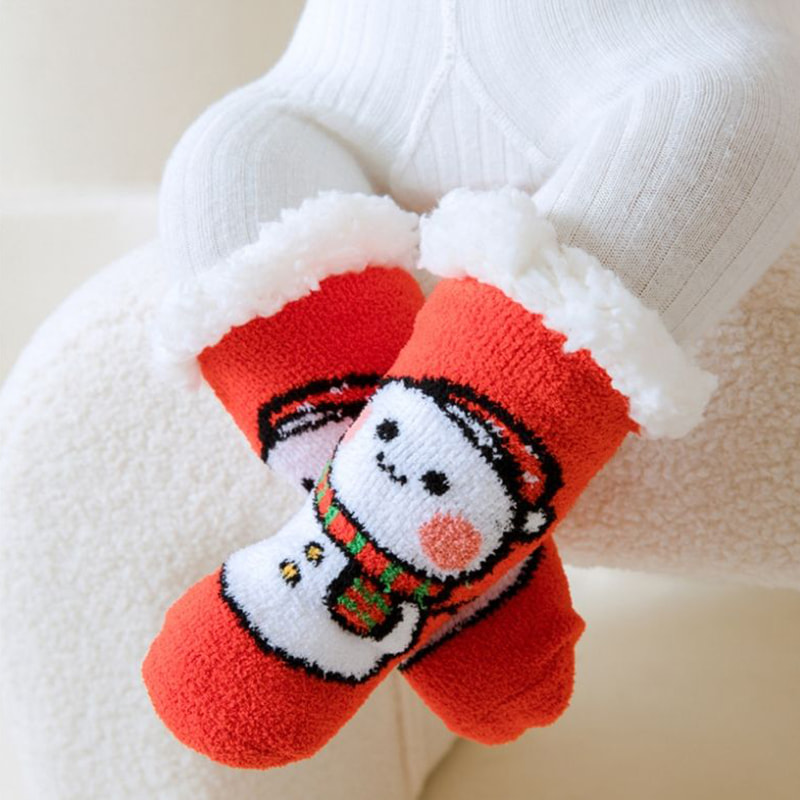
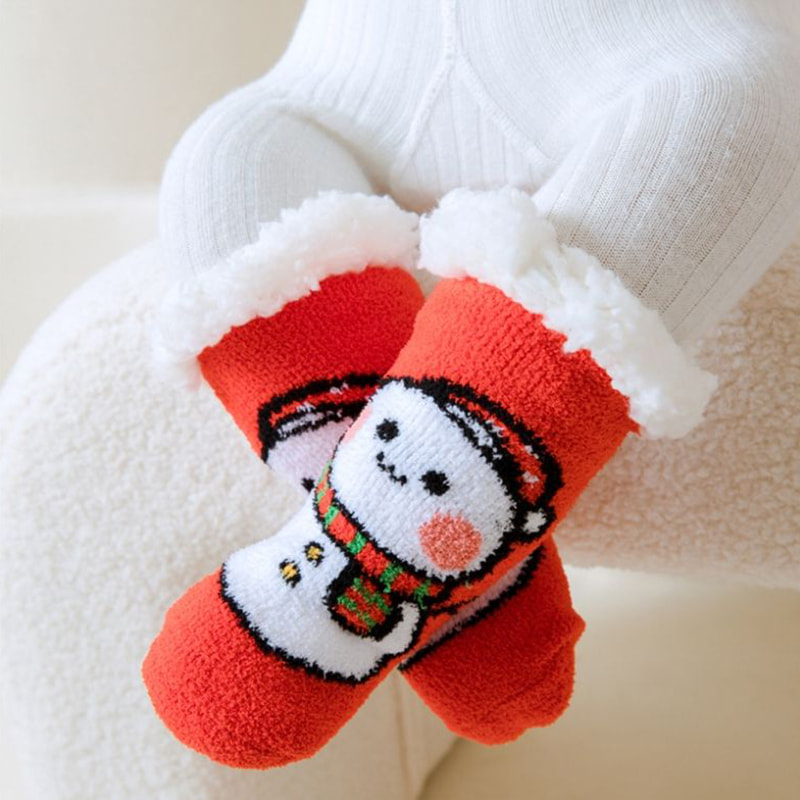
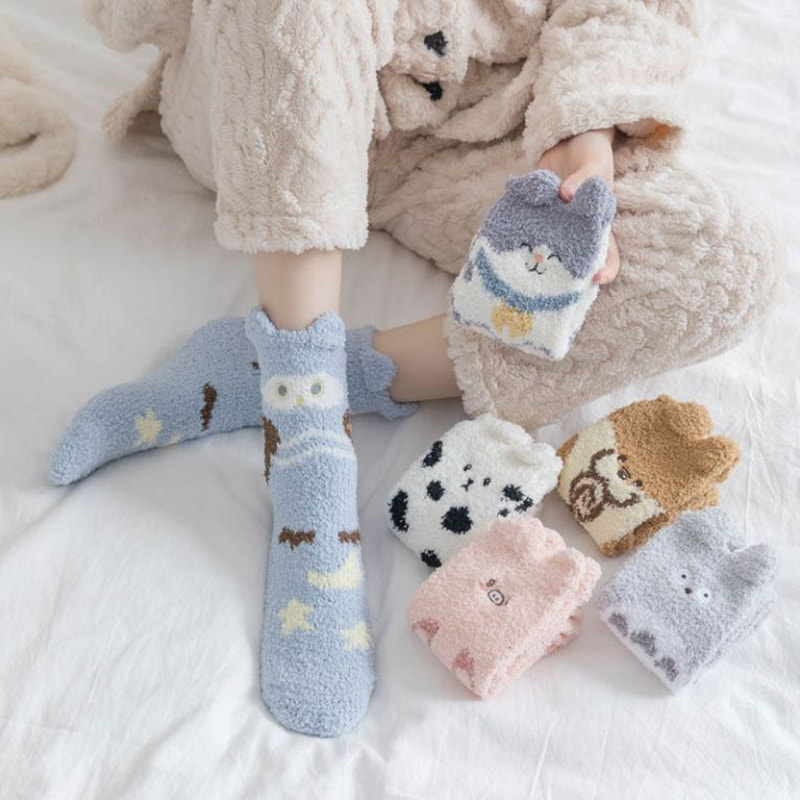
يستخدم المنتج بشكل أساسي مواد الصوف المرجاني ، وهو نسيج ناعم ودافئ وصديق للبشرة مناسب جدًا للبشرة الحساسة للأطفال. بالإضافة إلى ذلك ، قد تجمع بعض المنتجات أيضًا بين مواد مثل صوف الخروف لزيادة تعزيز تأثير الدفء. يتمتع كل من الصوف المرجاني وصوف الخروف بأداء عزل جيد ، والذي يمكن أن يغلق درجة الحرارة بشكل فعال ويوفر رعاية دافئة لأقدام الأطفال ، وخاصةً مناسبة للارتداء في فصل الشتاء البارد. يتضمن المنتج أنماط الكرتون الغنية ، مثل أنماط عرض عيد الميلاد ، وأنماط الحيوانات ، وما إلى ذلك.
الجوارب مصنوعة بشكل أساسي من مواد الصوف المرجانية أو مواد الصوف الضأن ، وكلاهما له أداء عزل وصديق للبشرة ، مما يوفر للأطفال تجربة ارتداء دافئة ومريحة. قد تستخدم بعض المنتجات مواد مختلطة ، مثل ألياف البوليستر (البوليستر) ، لزيادة متانة وتنفس الجوارب. تتم طباعة الجوارب بأنماط الرسوم المتحركة المختلفة ، مثل عناصر عيد الميلاد (مثل رقاقات الثلج ، سانتا كلوز ، الرنة ، إلخ) ، أنماط الحيوانات (مثل الدببة ، الأرانب ، وما إلى ذلك) ، وزيادة متعة الجوارب ، وصالح جماليات الأطفال. يمكن لتصميم الأنبوب الأوسط أن يحمي كاحلي الأطفال وعجول الأطفال بشكل أفضل ، وتجنب أن يكونوا باردًا ، كما أن الجوارب الأرضية مناسبة أيضًا للرضع عند اللعب عند اللعب على الأرض بسبب موادهم الناعمة وغير الناعمة .
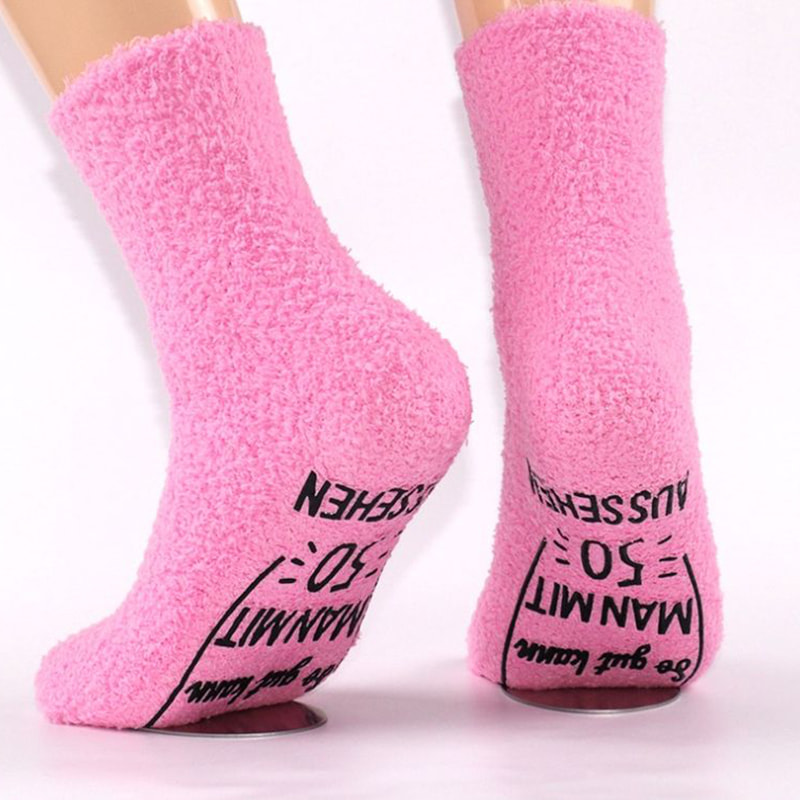
تتبنى الجوارب اللاصقة الإبرة الخشنة الصوفية تصميمًا مضادًا للانزلاق في الجزء السفلي أو الرئيسي من الجوارب ، والتي يمكن أن تزيد من الاحتكاك بين الجوارب والأرض أو النعل ، وتمنع الانزلاق أثناء المشي أو الحركة بشكل خاص للارتداء على الأسطح الملساء مثل المنازل والأوراب. يحتوي الصوف المرجاني على ألياف طويلة وطبقات هواء سميكة ، والتي لها عزل جيد وأداء دفء ، ومناسبة للارتداء في مواسم البرد ، ويمكن أن تمنع القدمين بشكل فعال من البرد. يمتلك الصوف المرجاني نسيجًا ناعمًا وحساسة ، ولمسة مريحة ، ويمكن أن يناسب الجلد ، ولف القدمين ، ويخفف من التعب ، ويوفر تجربة ارتداء دافئة ومريحة. يتمتع الصوف المرجاني بالتهوية الجيدة وامتصاص الرطوبة ، والتي يمكن أن تمتص الرطوبة الزائدة من القدمين وتبديدها عبر المسام للحفاظ على جفاف القدمين. جوارب الصوف المرجان لها أيضا خصائص معينة. تساعد وظيفة المضادة للبكتيريا والبلاقة ، على تقليل النمو البكتيري والحفاظ على القدمين نظيفة .
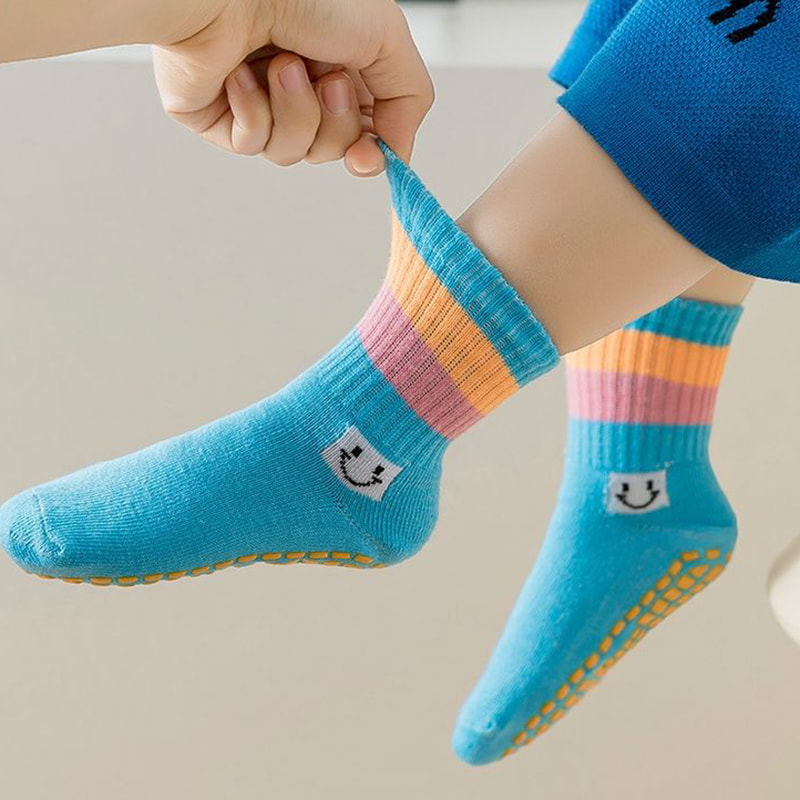
إن اعتماد تصميم خاص مضاد للانزلاق ، مثل القاع المضاد للانزلاق اللاصق ، يزيد من الاحتكاك مع الأرض ، ويمنع الأطفال بشكل فعال من الانزلاق على الترامبولين والشرائح وغيرها من المعدات. يمكن للتصميم العالي الالتفاف حول كاحلي الأطفال بشكل أفضل ، ويوفر الدعم والحماية الإضافية ، ويقلل من خطر الالتواء ، واستخدام الأقمشة عالية الجودة مع قابلية التنفس جيدة وامتصاص الرطوبة للحفاظ على الجفاف والراحة ، وتجنب الحشوة الناتجة عن التآكل على المدى الطويل. يحتوي النسيج الذي يعالج خصيصًا على مقاومة عالية للارتداء ويمكنه تحمل الاحتكاك المتكرر والسحب خلال أنشطة الأطفال .
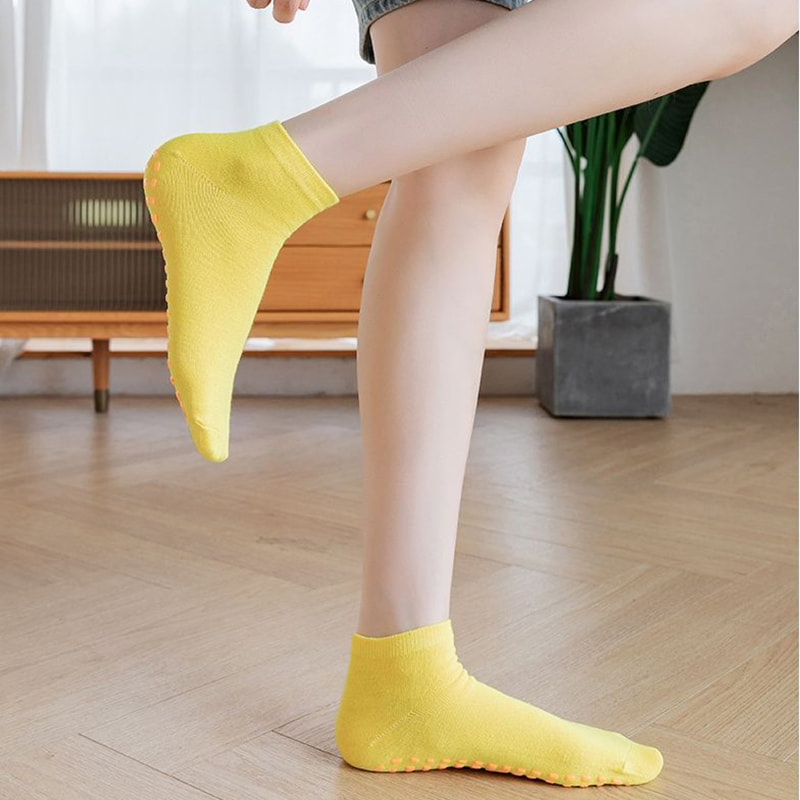
عادةً ما تستخدم جوارب اليوغا البالغة قوامًا أو موادًا خاصة ، مثل الجزيئات المضادة للانزلاق على شكل نقطة في الأسفل ، مما يمنع الممارس بشكل فعال من الانزلاق أثناء الحركات وحماية سلامتها. يمكن تضمين جزيئات مضادة للانزلاق في حصيرة اليوغا لتوفير بعض المقاومة ومنع القدم من التحول تحت ضغط الوزن ، غالبًا ما تكون جوارب اليوغا مصنوعة من مواد ماصة وسريعة تجفيفها ، مثل القطن الناعم ، وألياف الخيزران ، وما إلى ذلك ، والتي يمكن أن تمتص العرق بسرعة من القدمين ، والحفاظ عليها جافة ، ولديها امتصاص الرطوبة الجيد وأداء التعرق ، مما يساعد على تقليل الانزعاج الناتج عن الأقدام الرطبة وتحسين تجربة التمرين .3.
يتم استخدام مواد الصوف المرجانية عالية الجودة ، والتي لها أداء عزل جيد ويمكن أن يمنع القدمين بشكل فعال من البرد. يعزز التصميم السميك تأثير العزل للجوارب ، حتى في مواسم الخريف والشتاء البارد ، مما يوفر دفئًا كافيًا لقدميك. مادة الصوف المرجانية ناعمة وحساسة ، مريحة لللمس ، ولن تسبب تهيج الجلد. لن تشعر بعدم الارتياح عند ارتداءها لفترة طويلة. لديها مرونة جيدة ويمكن أن تناسب أنواع القدم المختلفة ، مما يجعلها أكثر راحة وراحة للارتداء. عادة ما يكون لمواد الصوف المرجانية مقاومة جيدة للبلى وليس من السهل حبوب منع الحمل أو تشوه ، لذلك هذا الجورب متين نسبيًا .